

Sagging Ceiling Repair in Perth
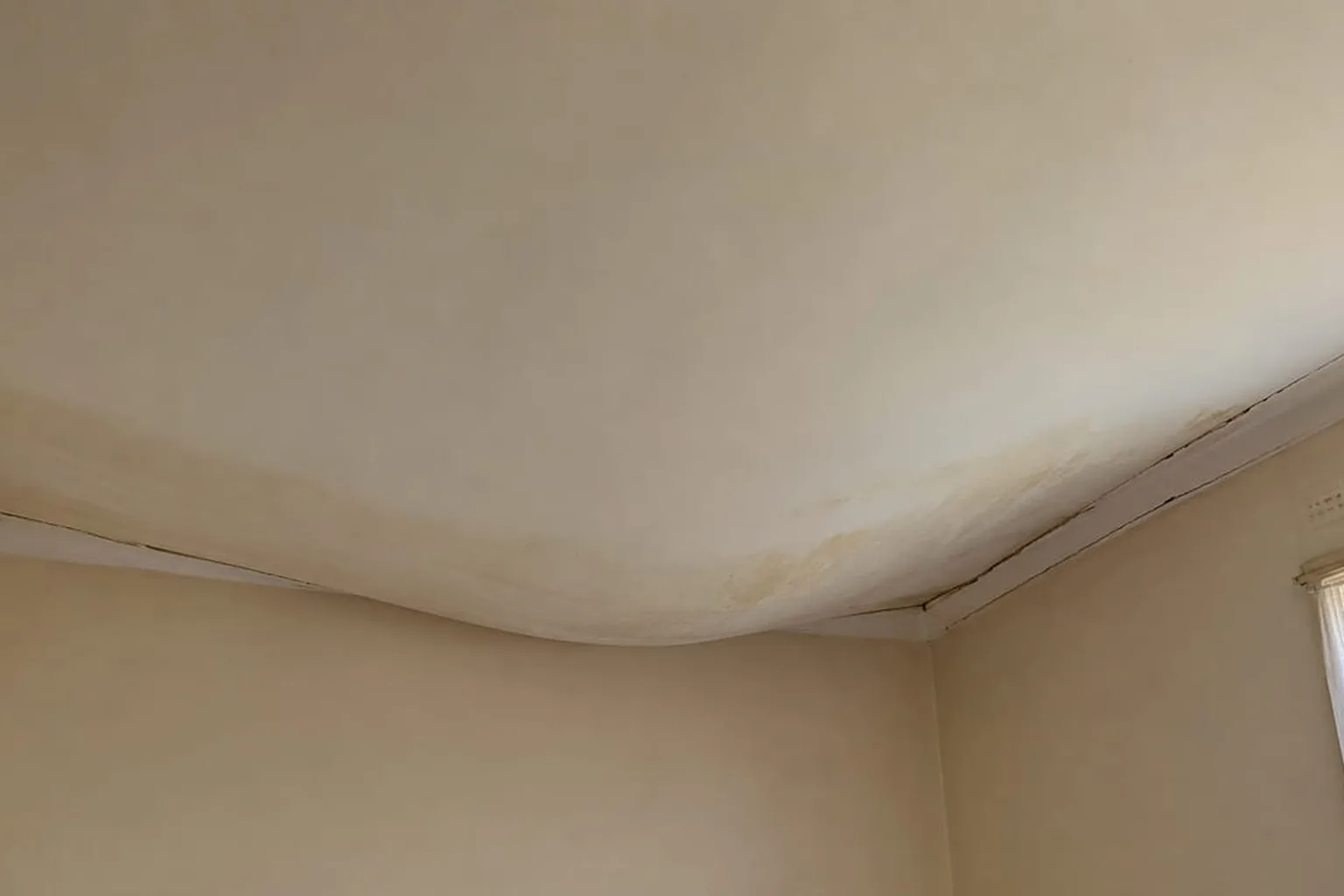
A sagging ceiling rarely fixes itself. We re-strap from above so the sheet is anchored properly, not just patched.
Fast, no obligation
Request a Free Quote
Send a few photos of the ceiling and your suburb. About half our quotes go out from photos and a phone call, and you get a straight repair-or-replace answer either way.
At a glance
What Sagging Ceiling Repair Involves
Fibreglass re-strapping that anchors a dropping ceiling back to the joists for decades.

Method
Fibreglass Re-Strap
Fixed from inside the roof, not patched from below.

Quotes
Often by Phone
About half of ours are done from photos and a call.

Finish
Paint-Ready
Filled, sanded and swept. Painting is separate.

Experience
23+ Years
Perth ceilings, and not much else.
Not sure which of these applies to your ceiling? Send a photo and we will tell you what we are looking at.
Why us
Sagging Ceiling Repair Done Properly
Most sagging ceilings in Perth are plasterglass sheets that have lost their adhesive bond. We fix the cause from inside the roof cavity, not just the look from below.

We Re-Strap, Not Just Patch
Fixed from inside the roof and bonded back to the joists. A patch from below holds nothing.

Cavity Inspection First
We look in the roof space before quoting. Everything that decides this job is up there.

Honest Repair-or-Replace Call
A re-strap earns us less than a replacement, so take it at face value when we say the sheet is fine.
Paint-Ready Finish
Filled, sanded and swept. Painting is a separate job and we say so before you book.
Need sagging ceiling repair?
Get honest advice and a written quote. Same-day emergency response too.
(08) 6103 5073Request a quoteIf a ceiling comes down we can usually get there the same day
Our workmanship
Sagging Ceiling Repair Across the Perth Metro
A sagging ceiling rarely fixes itself. We re-strap from above so the sheet is anchored properly, not just patched.
Most sagging ceilings in Perth are plasterglass sheets that have lost their adhesive bond. We fix the cause from inside the roof cavity, not just the look from below.
Repair or replace?
Re-Strap or Full Replacement?
Most sagging ceilings can be saved. The question is whether the sheet itself is still sound, or whether it has gone too far to hold.
A Re-Strap Suits
- The sheet is still intact, just dropping
- Plasterglass adhesive has let go
- You want the existing ceiling kept
- A cost-effective fix that lasts decades
The existing ceiling stays, and the work is done from above.
Replacement Is Better When
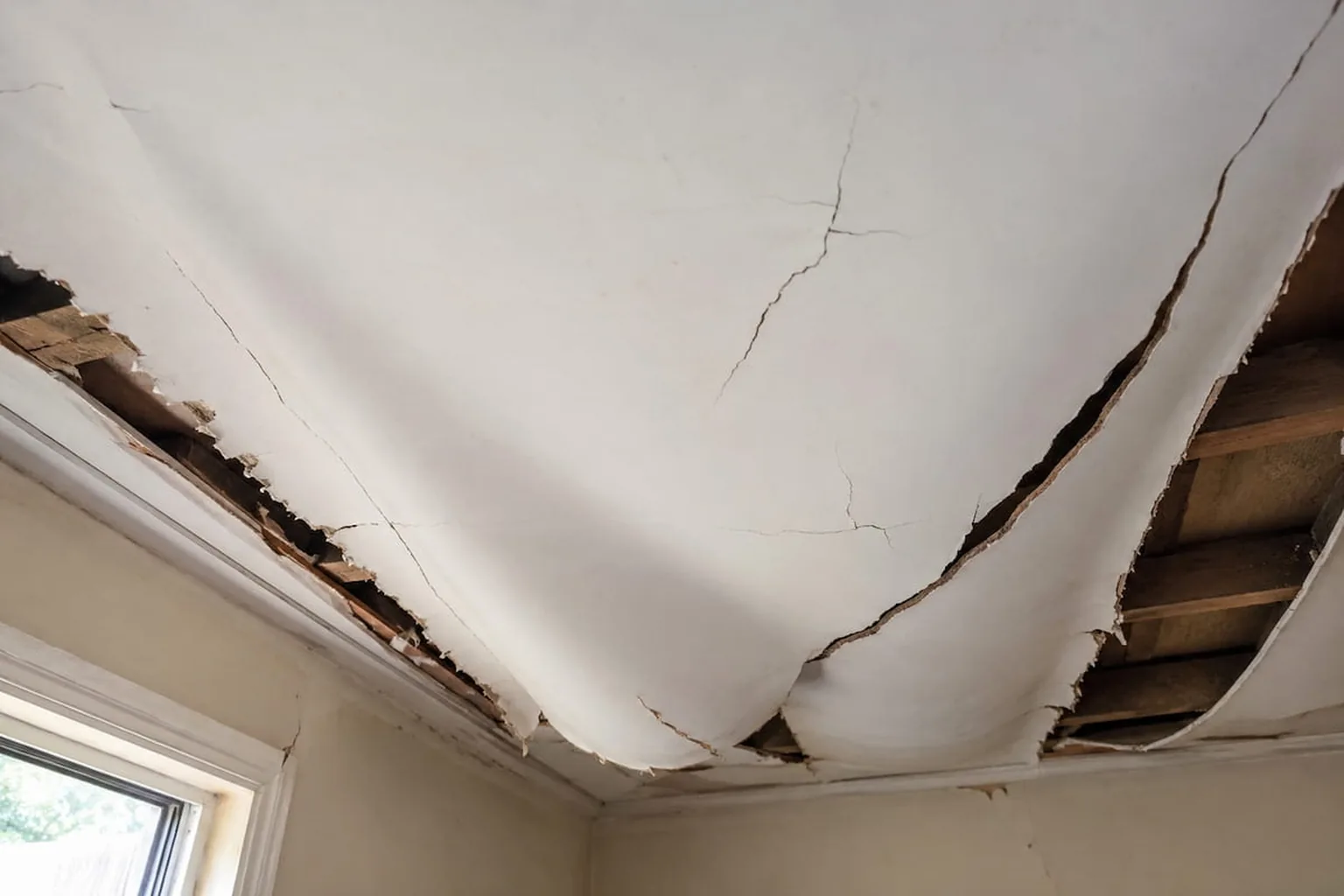
- The sheet is cracked or broken
- Sagging is severe and past saving
- There is water damage through the board
- Large sections have already failed
Once the sheet is broken, re-strapping is fixing the wrong thing.
The Press Test
Push up gently on the ceiling with a flat palm. If there is any give at all, the bond is starting to fail. Do not try to force a sagged ceiling back up: on a badly dropped one the cornice is often the only thing still holding it, and pushing can bring the lot down.
What we handle
Common Causes of Sagging Ceilings
Plasterglass Adhesive Failure
Most Perth homes built between 1970 and 2000. The glue gives up and the sheet drops evenly.

Water Damage From Leaks
A leak soaks the board and the glue at once. The sag is worst in one spot, usually stained.

Heavy Old Insulation
Old batts are heavy and settle further. Rarely the cause on its own, often the last straw.

Structural Movement
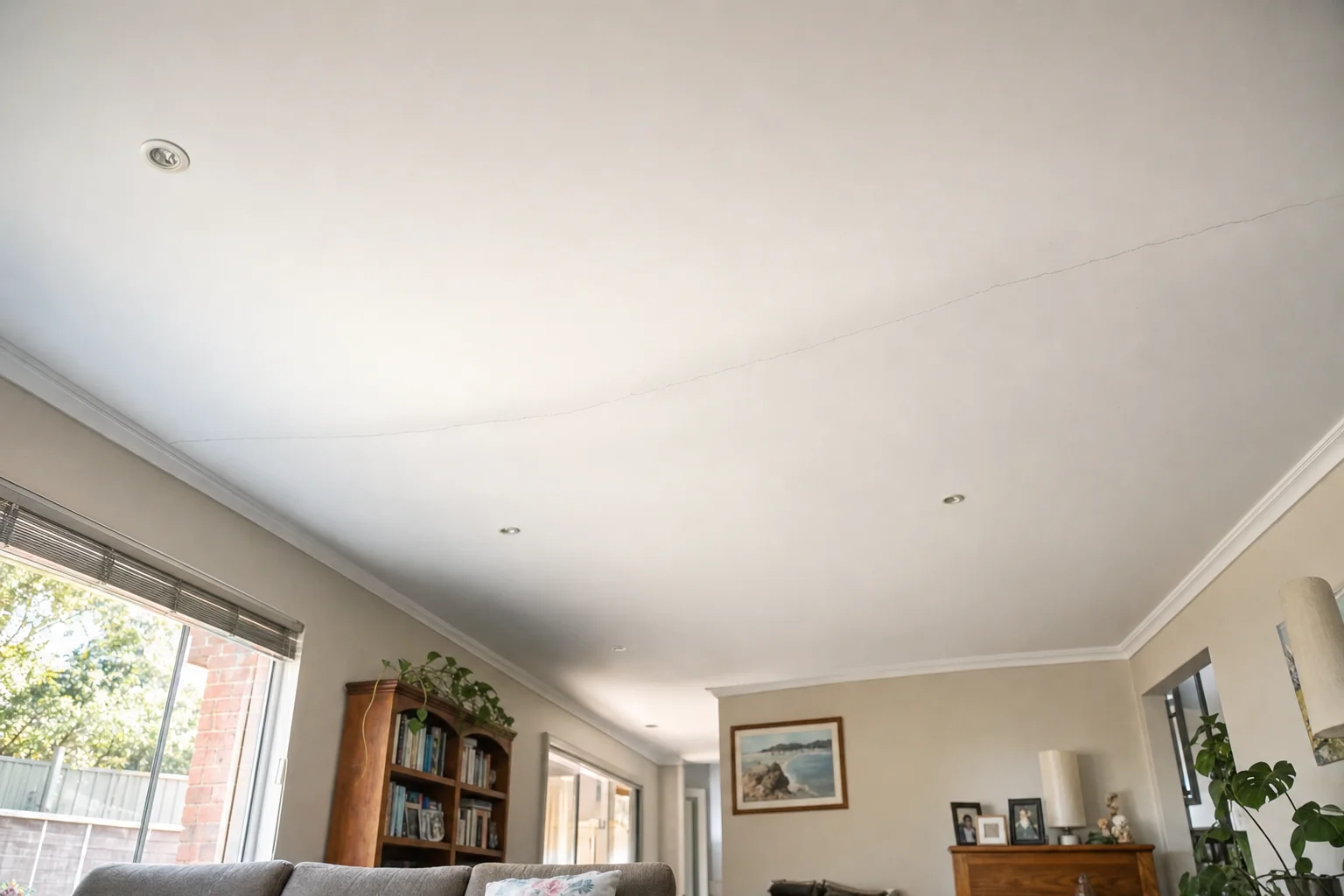
Perth clay soils swell and shrink with the seasons. It shows as cracking along the sheet joins.

Poor Original Installation
Too few screws, or a past patch done from below. None of it shows until someone gets into the roof.
Age and Material Fatigue
Plasterboard is paper and gypsum. After enough decades it loses its grip around the fixings.
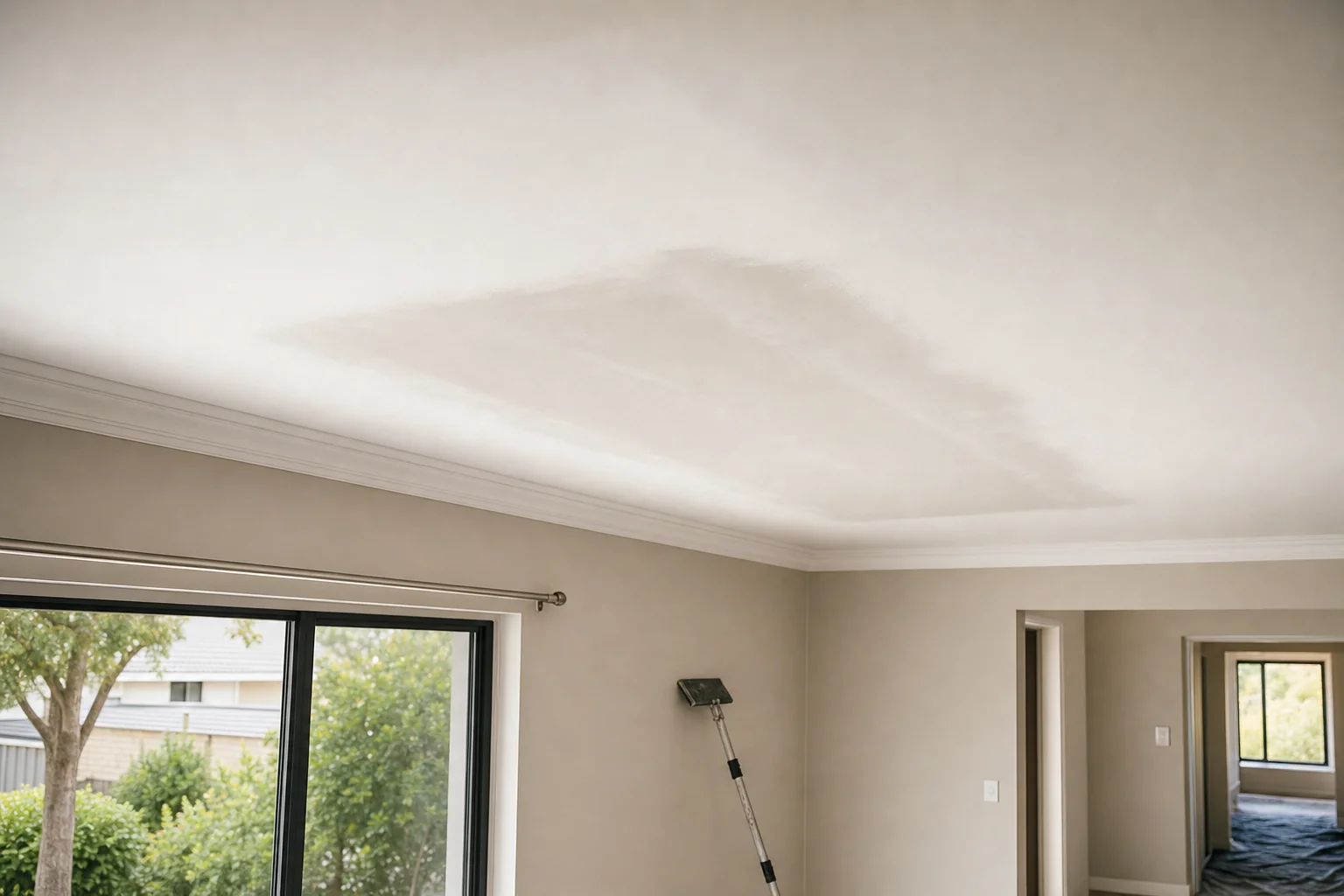
Left paint-ready
Paint-Ready, and Honest About the Rest
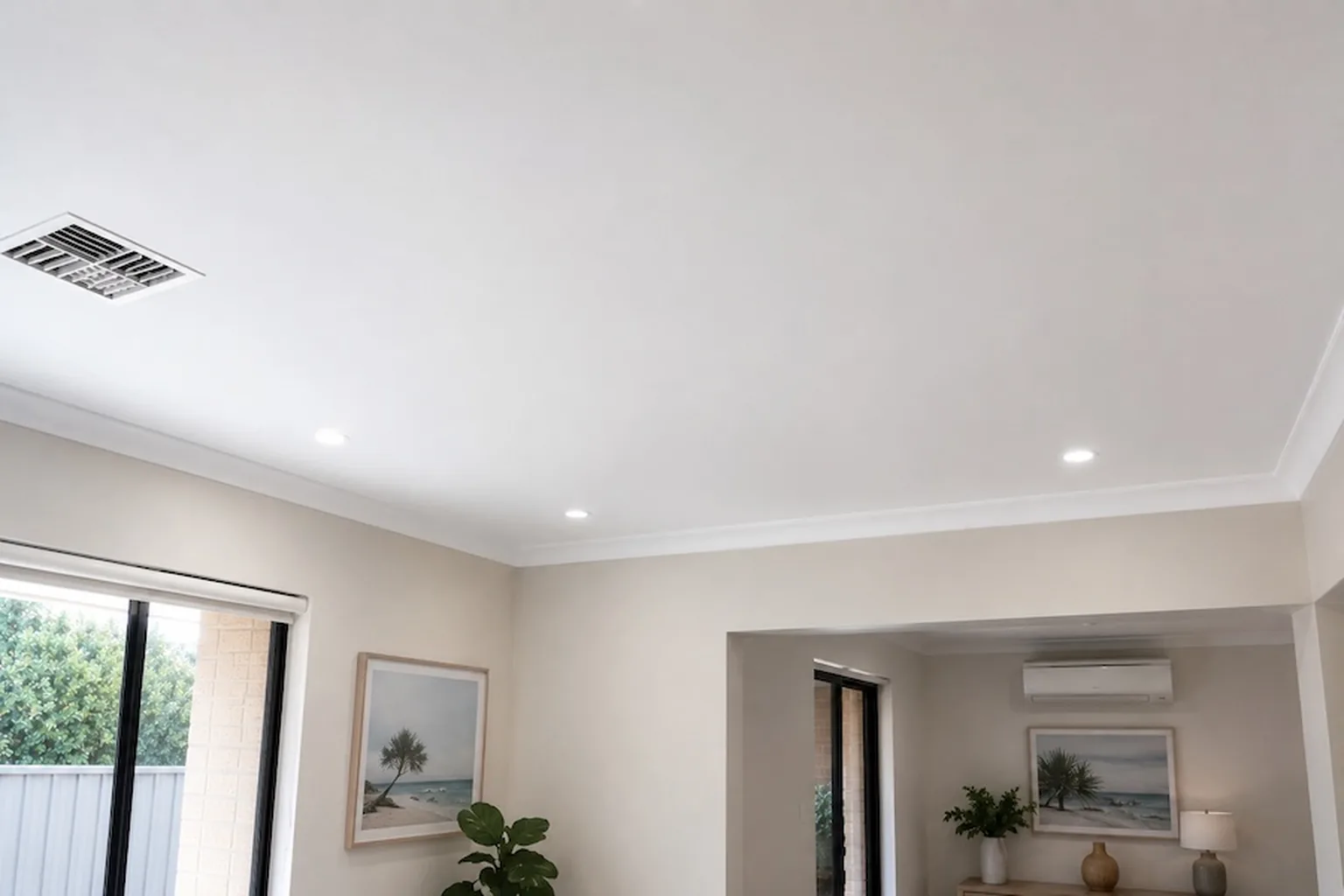
Drop sheets go down before anything comes off, we sweep, we cart the waste away and the ceiling is left at a paint-ready standard. You clear the room first, and where new cornice goes in the walls will want repainting as well. Better said now than on the day.
How it works
How We Get It Sorted
Photos and Quote
Send a few photos of the ceiling and your suburb for a written quote.
Cavity Inspection
We check the state of the sheet and joists from inside the roof.
Fibreglass Re-Strap
The repair happens from above, bonding the sheet back to the structure.
Finish and Walkthrough
Minor flushing is done so the ceiling is paint-ready before we leave.
Common questions
Sagging Ceiling Repair Questions, Answered
Press up on it with a flat palm. If there is any give at all the ceiling is starting to fail, because it should be solid against the structure above.
Two more signs are visible from the floor once you know to look. Lines showing through the surface where the sheets meet, and screw holes starting to appear where the fixings are pulling through.
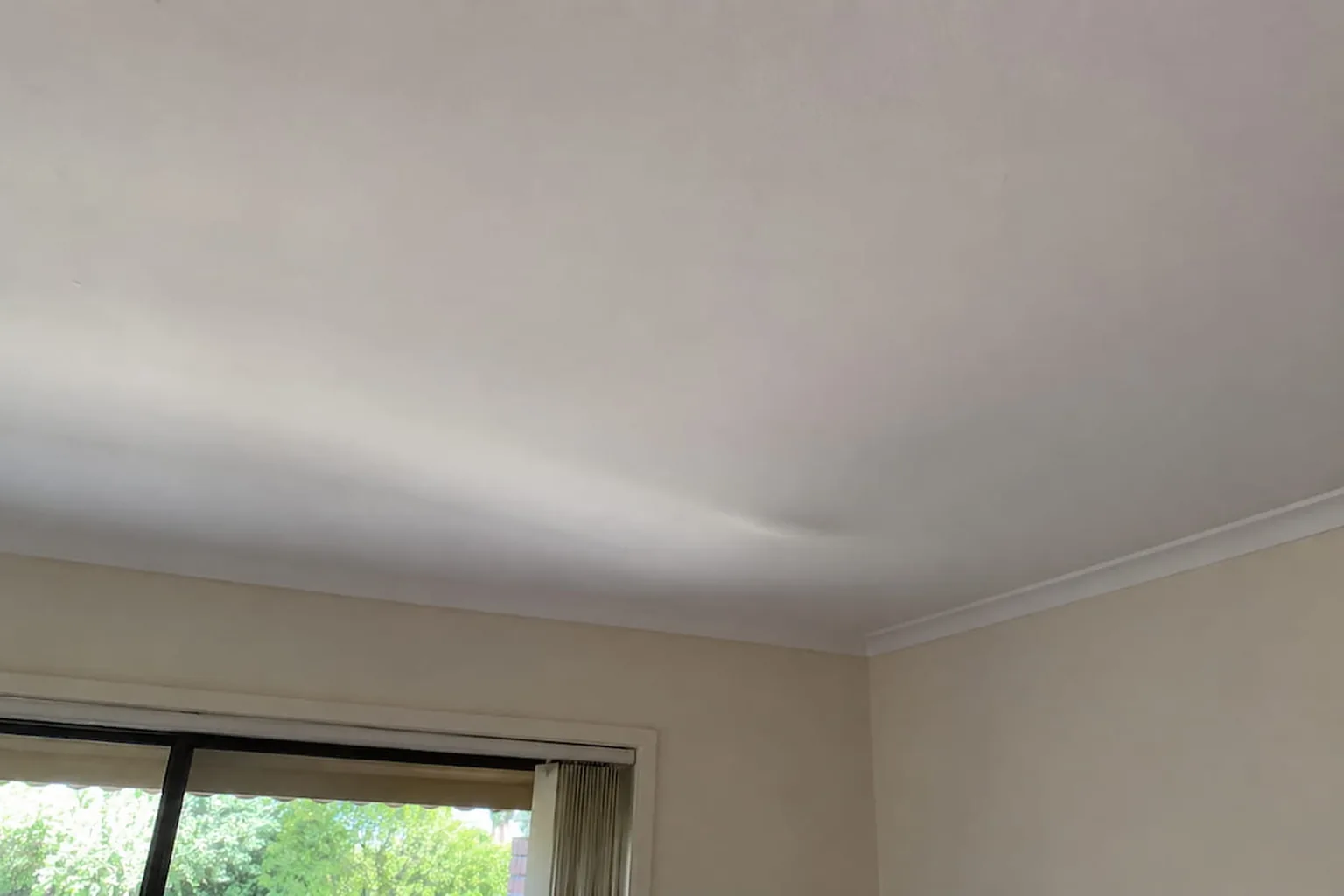
The other test is to look across the ceiling from the far corner of the room at a low angle rather than from underneath it. From directly below, even a significant sag can read as flat.
A slight, even dip in an older ceiling can usually wait a few weeks. A bulge that is growing, or heavy sagging in one area, should be looked at straight away.
What matters is how fast it has moved rather than how far. A ceiling that has dropped visibly in days is a different problem to one that has sagged slowly for years.
On the worst ones the cornice around the edge of the room is the only thing still holding the ceiling up. That is not a figure of speech, and it is why nobody should be pushing or prodding a badly sagged ceiling to test it.
Plasterglass adhesive failure, in homes built roughly between 1970 and 2000. The sheets were glued to jarrah joists with an adhesive that has since given up.
It is not the only cause. Water damage from a leak weakens the bond far faster, heavy old insulation adds load from above, and a poorly insulated roof space cooks the gypsum through every summer until it goes brittle.
Poor original installation turns up more often than people expect: too few fixings, or screws driven through the paper face. None of it is visible from the room, which is why the answer comes from the roof cavity.
In most cases the existing ceiling can be re-secured rather than replaced. If the sheet is still sound, it gets re-strapped or re-screwed back to the structure.
Replacement is for when the board itself has gone: water through it, mould, or a sag so far advanced that the sheet cracks the moment anything moves it.
What we will not do is force a sagged ceiling back up flat. Plasterboard that has held a curve for years disintegrates when it is pushed, so the repair either holds it where it is or replaces it.
Yes. The repair is set, sanded and left at a paint-ready standard, and we sweep and cart the waste away before we go.
Painting is a separate job and quoted separately rather than buried in the repair price. We can bring a painter in if you would rather it ran as one job.
Being straight about the rest: it is a dirty job and there will be some cleaning left for you. Where new cornice has gone in, the walls will want repainting too.
Yes, we are fully licensed and insured, and every job comes with the price in writing before we start.
Not on the list? Send a few photos and your suburb, or just ring and ask.
Related services
Other Ceiling Work We Do
Water Damaged Ceiling Repair
Stains, storm damage and leaks traced to the source and repaired properly.
Learn more
Ceiling Replacement
Full strip-out and rebuild when a repair simply will not hold anymore.
Learn more
Gyprock Ceilings
New installs, repairs and crack fixes on plasterboard ceilings and walls.
Learn moreCeiling Problem? Get a Free Quote Today.
Send through a few photos and your suburb, and we'll come back with honest advice and a written quote.